
November is National Diabetes Awareness Month 2026
This National Diabetes Awareness Month, discover simple ways to raise awareness, reduce barriers to care, and empower people with or at risk for diabetes.

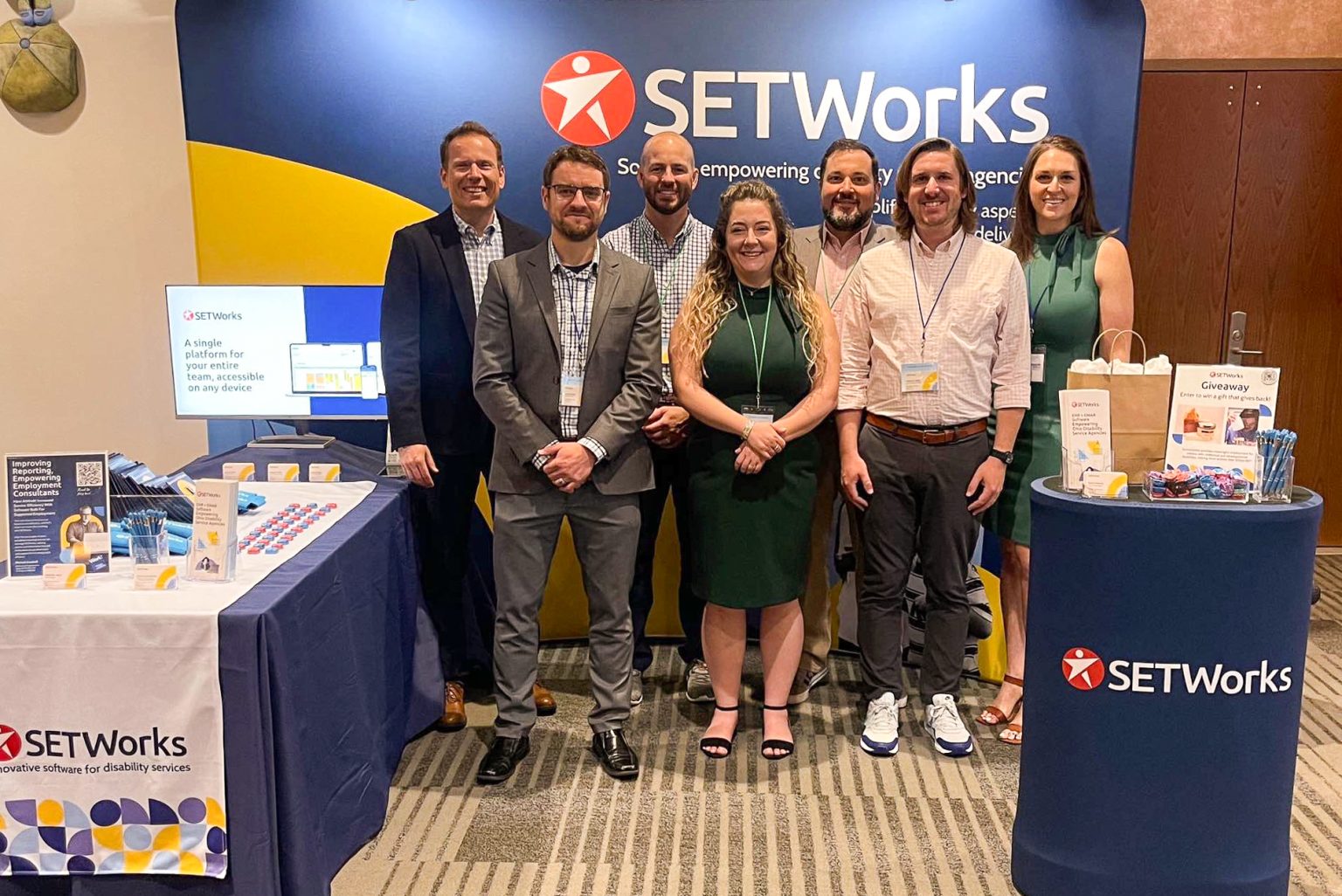
At SETWorks, one of our favorite things about attending conferences is the opportunity to connect with others in the industry. So it’s fitting that the theme of this year’s 2023 National APSE Conference in Columbus was “Creating Connections.”
With a full agenda over three days, the event’s keynote speakers and presenters all touched on the importance of creating connections not only in the workplace and the community, but also with employer partners, state agencies, and other providers.
As a gold level sponsor of this year’s event, we’re proud to contribute to APSE’s mission of facilitating the full inclusion of people with disabilities in the workplace and community — which is why we’ve also rounded up some of our team’s top takeaways and lessons learned from the conference:
Keynote speaker Keith Jones rang the halls of National APSE with the phrase, “What is employment?”
According to Jones, we’re long past the days of pushing carts, production lines, Walmart greeters and cleaning crews being the only roles offerred to those with disabilities. It’s time to redefine employment, find meaningful jobs and use creative approaches to enriching, lifelong employment opportunities.
Among the top comments that stood out from his presentation:
More than half of U.S. workers want to quit their jobs in 2023 — and that number is even higher among Gen Z and millennials. This drives home the point that agencies need to be more intentional about their staffing and retention practices. This goes for both their internal staffing and job placement prospects for the individuals they serve. Some helpful practices shared at APSE include:
Finally, don’t overlook the importance of building a sense of community in the workplace. After the isolation of the pandemic, it’s more important than ever for employees to feel connected and like they belong.
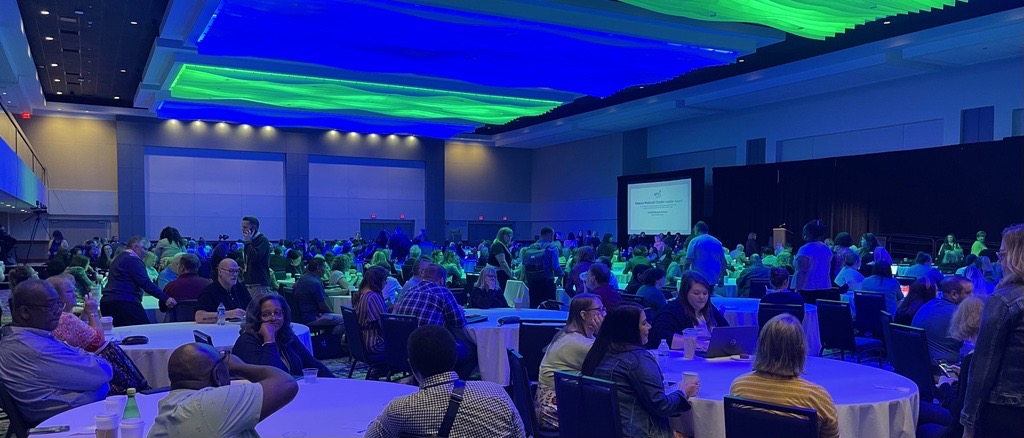
Over 650 employment professionals from around the U.S. came and connected at APSE this year. There were lots of first-time attendees, and it was exciting to see so many new faces at the conference.
Many of the people we talked to between sessions and at networking events expressed their desire to network and collaborate with other chapters of APSE. These connections and partnerships are valuable for a number of reasons. For one, partnering with other organizations allows providers to share expertise, best practices, and innovative ideas. When we collaborate, we can learn from one another and leverage our collective knowledge to improve employment outcomes and approaches.
In addition, a unified voice carries more weight when advocating for legislation and policy changes that move the needle toward inclusive, integrated employment for all. Working together strengthens our ability to advocate for the rights and needs of individuals with disabilities in the workplace and community, enacting positive change on a broader scale.
Speaking of policy changes, many attendees expressed concerns about compliance and regulatory changes being introduced without sufficient support or guidance. This lack of guidance makes it difficult for providers to understand and navigate new requirements effectively.
In particular, providers recognized that compliance changes were placing added pressure on already-overwhelmed DSPs and CESPs to log information differently or into new systems. The question of how to keep track of all the moving pieces needed to meet compliance requirements — as well as operate and grow efficiently — is one that providers across the board are grappling with.
Once again, building connections with other agencies is going to be key (so much so that we’ve devoted a whole section of our blog to sharing insights from service providers!). By attending conferences, engaging in discussions, and participating in professional organizations like APSE, providers can exchange valuable lessons and strategies related to compliance. Through these interactions, you can learn how other organizations have approached new regulations and identify potential solutions to address your compliance challenges.
Low reimbursement rates. Rising staffing costs. Donor dependency. Limited access to capital. These have all led to providers struggling to sustain their programs and services over the long term. New funding streams can give nonprofits the financial boost they need to upgrade their technology or expand their service offerings, but we heard from many providers that they aren’t tapping into these resources as much as they could be. Why?
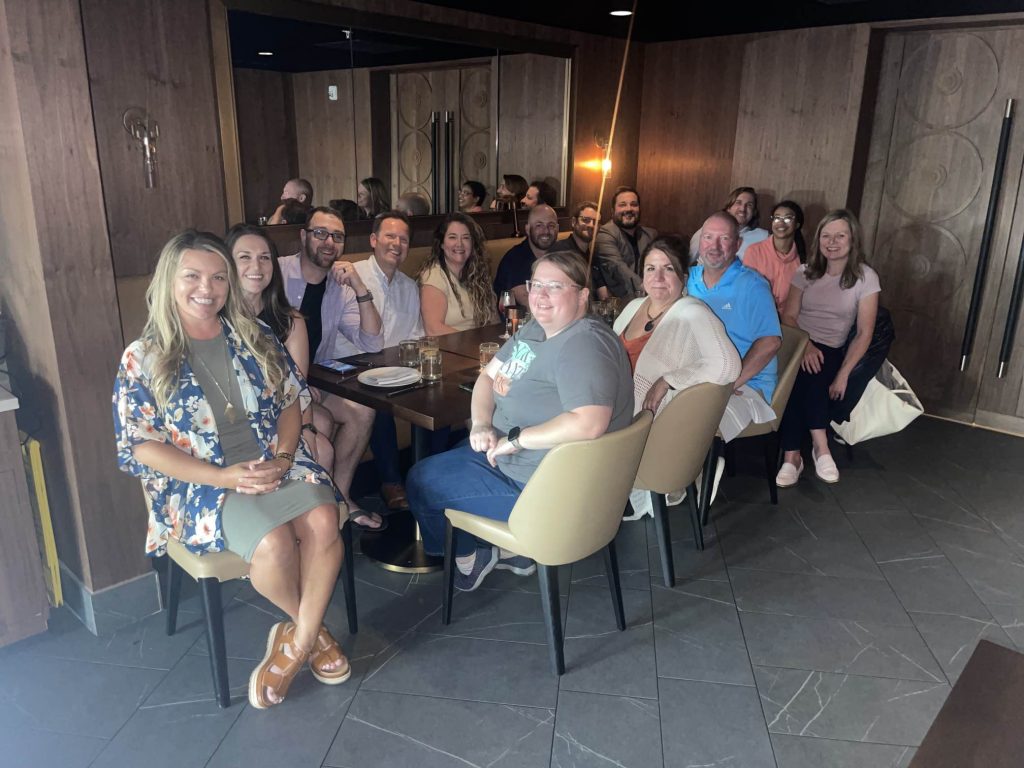
Again, this is where networking with other providers can be a huge help. By connecting with other providers, you can learn about unique funding opportunities that may be available to your agency. Likewise, you can exchange information and insights with other agencies about funding and grant opportunities they have explored or successfully obtained.
This year’s APSE conference was all about connection — from connecting job seekers to meaningful work opportunities, to connecting with other employment professionals and sharing insights that advance the mission of Employment First. It was truly a privilege to sponsor and attend this event.
If you weren’t able to be at APSE, there are plenty of opportunities coming up to connect with other providers and stay tuned to what’s happening in the industry. For upcoming event dates and registration information, be sure to check out our list of the best disability services conferences and events happening around the country.
This National Diabetes Awareness Month, discover simple ways to raise awareness, reduce barriers to care, and empower people with or at risk for diabetes.

This year’s World Usability Day theme is “Emerging Technologies and Human Experience.”

National Epilepsy Awareness Month aims to raise public awareness about epilepsy, a neurological disorder characterized by recurrent seizures.


