

November is National Diabetes Awareness Month 2026
This National Diabetes Awareness Month, discover simple ways to raise awareness, reduce barriers to care, and empower people with or at risk for diabetes.

From a playful grin to a raised eyebrow, our faces are constantly speaking. Facial expressions play a huge role in how we communicate and connect with others, conveying emotions, intentions, and understanding in a way that words alone can’t. However, for people with Moebius syndrome — a very rare condition affecting 2 to 20 in 1 million babies — facial expressions are often limited or absent.
Moebius Syndrome Awareness Day, observed every year on January 24, provides an opportunity to highlight this condition, show support for those affected, and encourage research to improve care. In this article, we’ll explore what Moebius syndrome is, along with some ways to help raise awareness. But first, let’s take a closer look at how this day came to be.
Moebius syndrome is a rare neurological condition that affects the nerves that control facial expressions and eye movement. This can cause facial paralysis, making it hard to smile, frown, or move the eyes side to side. Individuals with Moebius syndrome may also have trouble swallowing, hearing, or speaking. Other symptoms can include motor or developmental delays, cleft palate, or limb differences. Around 30-40 percent of individuals with Moebius syndrome also are autistic.
Because Moebius syndrome is so rare, it is often misunderstood. People may misinterpret the lack of facial expressions as a sign of indifference, but this doesn’t reflect the true feelings of those affected. Raising awareness is key to fostering empathy and supporting individuals with Moebius syndrome. Through greater understanding, we can help reduce feelings of loneliness and isolation and create an environment where people with this condition can truly thrive.
Moebius Syndrome Awareness Day was first celebrated on January 24, 2011. This date honors the birthday of Professor Paul Julius Möbius, the German neurologist who first described the syndrome in 1888.
The day aims to raise awareness about Moebius syndrome, educate the public, and support individuals and families affected by the condition. Today, Moebius Syndrome Awareness Day has grown to be a global celebration. Awareness activities often include social media campaigns, wearing purple (the awareness color), and community events organized by advocacy groups and nonprofits dedicated to supporting individuals with Moebius syndrome.
Celebrating Moebius Syndrome Awareness Day is one way to help raise awareness about this condition. Here are five ideas to get you started:
Purple is the official color of Moebius syndrome awareness, which makes wearing purple on January 24 the perfect way to show your support. Whether it’s a purple shirt, scarf, or head-to-toe purple outfit, this vibrant color sparks curiosity and opens the door for conversations. When someone asks why you’re wearing purple, it’s a chance to share the meaning behind it and highlight the importance of Moebius Syndrome Awareness Day.
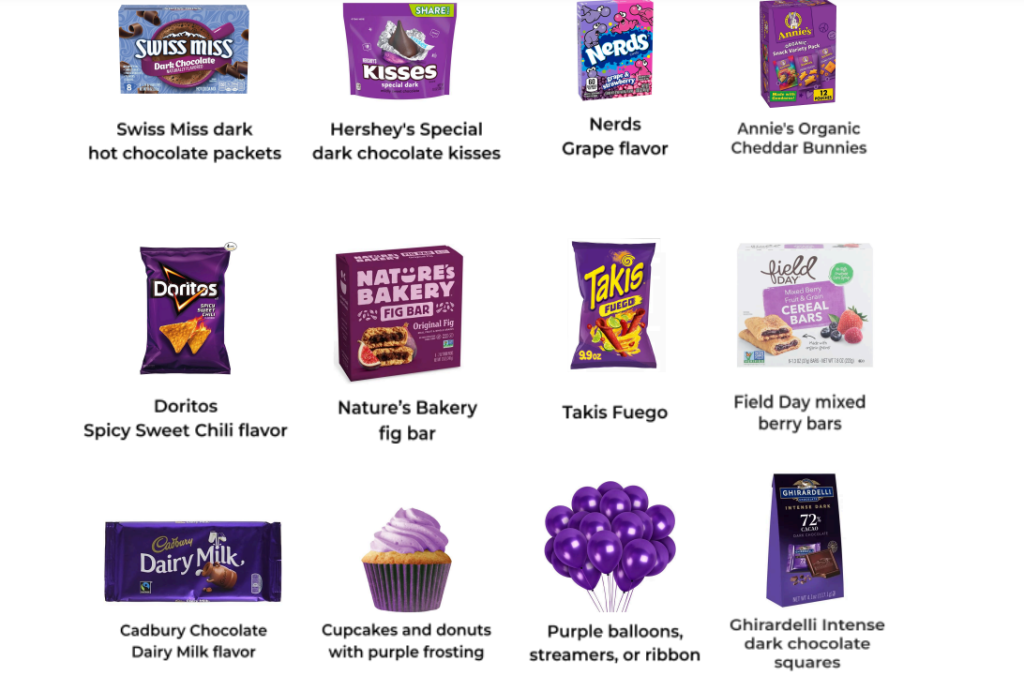
Keep the purple theme going by sharing purple cupcakes or other purple snacks at your workplace, school, or community center. Include a small information card or note with each treat explaining its connection to Moebius Syndrome Awareness Day and encouraging people to learn more about the condition. The Moebius Syndrome Foundation even provides a list of purple treats, along with printable gift tags you can use. This simple gesture spreads awareness while making a memorable impression.
Another way to shine a spotlight on Moebius Syndrome Awareness Day is by getting your city to officially recognize this event. With these simple instructions and templates from the Moebius Syndrome Foundation, it’s easier than you might think to draft and submit a proclamation.
Once it’s approved, you can share the news with your community and on social media to spread even more awareness. It’s a small step that can make a big impact in highlighting and supporting the Moebius community at a local level.
Social media is an impactful tool to spread the word about Moebius syndrome. Whether you add a frame to your profile photo, share a video explaining what Moebius syndrome is, or post a photo of yourself wearing purple, your content can inspire others to learn more. Don’t forget to include the hashtag #MSAD and the 2024 slogan #ThisIsMoebiUS to join the global effort and connect with others supporting Moebius syndrome awareness.
Books have the power to educate and foster empathy, making them the perfect way to spread awareness about Moebius syndrome. During the month of January, set up a book display in your office or work with a local library or school to create a display featuring books about facial differences.
Here are some great titles to include:
Moebius Syndrome Awareness Day is an important opportunity to raise awareness and promote empathy for individuals with Moebius syndrome. For more ideas and events that foster understanding and support across the disability community, download the free disability events calendar.
This National Diabetes Awareness Month, discover simple ways to raise awareness, reduce barriers to care, and empower people with or at risk for diabetes.

This year’s World Usability Day theme is “Emerging Technologies and Human Experience.”

National Epilepsy Awareness Month aims to raise public awareness about epilepsy, a neurological disorder characterized by recurrent seizures.


