
November is National Diabetes Awareness Month 2026
This National Diabetes Awareness Month, discover simple ways to raise awareness, reduce barriers to care, and empower people with or at risk for diabetes.

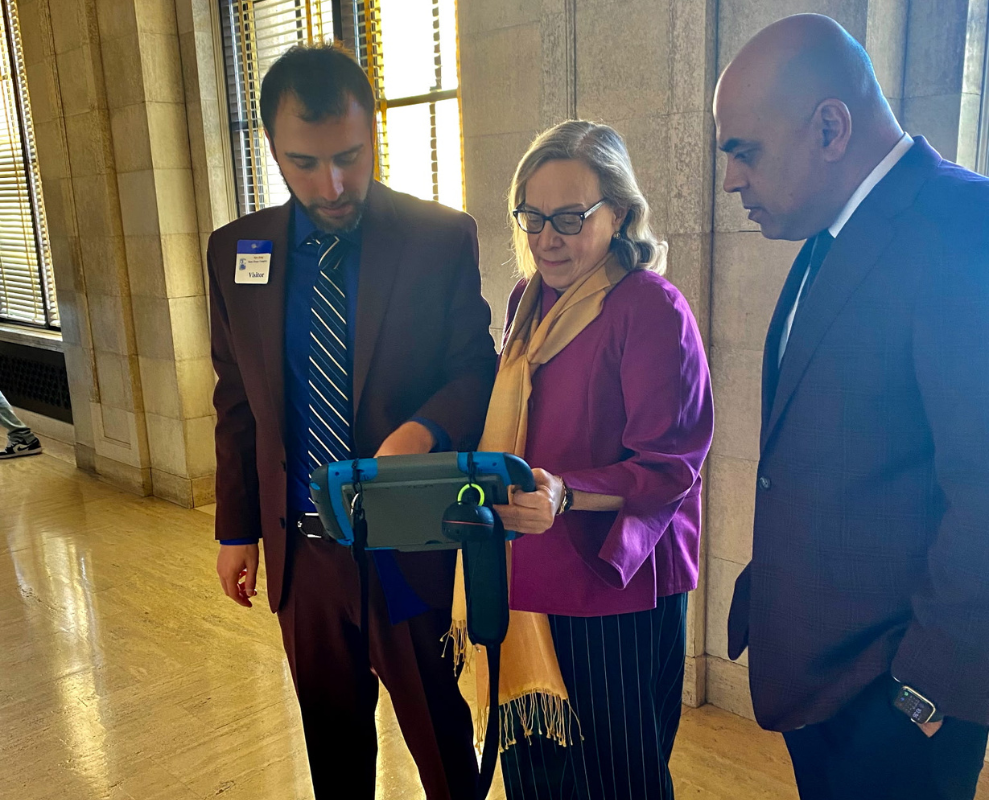
A meeting with your legislators is one of the most valuable opportunities for disability advocates to influence policy and funding decisions.
It gives individuals with disabilities a chance to speak directly to decision-makers not only about current legislation, but also about the broader issues that impact their lives.
These meetings are often brief — sometimes lasting just 30 minutes — so it’s essential to use the time effectively.
The key, according to Erin Smithers, Director of The New Jersey Self-Advocacy Project, is preparation before you go.
“Anything you can do ahead of time to help self-advocates feel more comfortable, will only give them more confidence. When they have more confidence, they’re more able to speak freely and speak up for the things that they’re passionate about.”
The New Jersey Self-Advocacy Project (NJSAP), a program of The Arc of New Jersey, provides training, resources, and support to help people with intellectual and developmental disabilities become strong self-advocates. With over 15 years of experience in the field, leading the NJSAP, and organizing legislative meetings, Erin knows what it takes to make an impact.
In this article, we’ll share 10 steps to planning and organizing a successful state house visit, along with expert insights from Erin on how to ensure advocates feel prepared and empowered.
The following tips are designed to help disability service providers, staff, and other supporters guide self-advocates through the process, boosting their confidence and preparing them for impactful meetings with lawmakers. By following these steps, you can help advocates feel more prepared and increase their chances of success.
Timing is everything when planning a state house visit. Check the legislative calendar (usually found on your state legislature’s webpage) to make sure lawmakers are in session, and try to schedule a visit when key legislators are likely to be available.
“Getting a meeting scheduled is always kind of difficult,” says Erin. “We typically plan visits in March, because a lot of decision makers are present in their home state [rather than traveling or working in Washington, D.C.]. That’s also when the state budget starts to get planned.
Scheduling meetings with legislators takes careful planning. Erin recommends reaching out well in advance — ideally a few months ahead of time — to schedule meetings with lawmakers or their aides.
“We reach out via the email listed on their webpage, and a staffer will usually get back to you to say they can meet and plan a date,” says Erin. “Being flexible is key to getting a meeting with a legislator, but also the hardest part since advocates usually have a tightly planned schedule,” she adds.
Early planning also makes it easier to support advocates with scheduling and logistics, like arranging transportation or requesting time off work. “People work, so we try to give everybody enough notice to either take off of work or to arrange transportation,” says Erin.
Once you’ve secured a meeting, organizing transportation is often one of the biggest hurdles. This may involve coordinating buses, carpools, or other accessible transport options to ensure everyone can attend.
Many group homes and day programs require transportation to be scheduled well in advance — often one to two months out — due to staffing or van availability.
“Staffing for most agencies is really short, so staff can’t always take participants, and public transportation isn’t an option in many areas,” Erin explains.
Scheduling meetings at local offices can make participation easier for self-advocates who live nearby.
“When we schedule meetings at local offices, I try to invite self advocates who live in the area. Not only is it important for them to talk to their local decision maker, but also transportation is usually a little bit easier.”
Finally, if lawmakers have invited individuals to participate in a committee or roundtable, it’s worth inquiring with their staff about reimbursement for travel expenses like a train ride or cab fare.
In addition to transportation, advocates often face logistical barriers that can make attending meetings challenging.
“A lot of the challenges we face are physical challenges,” explains Erin. “For example, not everybody has an ID, and here in New Jersey you need that to get into the state house.” Ensuring that attendees are aware of entry requirements ahead of time can prevent last-minute issues.
Likewise, making sure the meeting location is wheelchair accessible and any necessary accommodations — such as ASL interpreters or assistive devices — are arranged in advance, helps ensure all advocates can fully participate.
Virtual meetings, which have become more popular since the pandemic, provide an accessible alternative to in-person meetings.
“With virtual meetings, you don’t have to worry about transportation, so we can usually get more advocates to attend,” says Erin. “And, it’s often a lot easier for legislators to participate in a virtual meeting instead of an in-person meeting.”

“A lot of prep goes into a half hour meeting,” explains Erin.
For Erin and the team at NJSAP, the process starts with sitting down with advocates to find out what issues matter most to them and what they feel comfortable discussing. Erin then helps them organize their thoughts into clear talking points, which are printed out or emailed for easy reference.
Beyond preparing talking points, setting expectations about the legislative process can help ease nerves.
“I try to explain as much as I can about what’s going to happen and what they’re going to see,” Erin says. “For example, if I know what the room is going to look like, I try to give everybody as much information as I can.”
Practicing in advance can also build confidence. Running through mock meetings or role-playing exercises gives advocates a chance to practice speaking, answering questions, and sharing stories in a supportive setting.
“It can be nerve-wracking talking in front of a lot of people, especially decision makers who hold some power over the rest of us,” says Erin. “Confidence comes from preparation.”
Everyone is busy, so it’s important to make sure advocates, their families, and support staff have all the meeting information well in advance. Leading up to the visit, Erin sends reminders to confirm times and details.
“I always send out reminders of when the meeting is, transportation details, and re-send their talking points,” says Erin.
She also checks in before the meeting to answer last-minute questions and offer encouragement.
Whether it’s reviewing talking points, doing a final practice run, or just providing reassurance, these extra steps help ensure advocates feel fully prepared when it’s time to meet with legislators.
During the visit, staff play an important role — but that role is in the background, and for an important reason: The goal is to support, not to take over.
Staff are there to assist self-advocates as needed, whether that means helping them navigate the building, keeping track of meeting times, or providing reassurance during conversations.
“It’s important to remember that staff is there as background support,” says Erin.
“We want our staff to understand that advocacy is letting someone do it on their own — even if it’s not how you would do it,” she adds.
Erin has some tips for cues as subtle as staff locations during the meeting. During the meeting, she recommends that staff should position themselves in a way that physically encourages lawmakers to engage directly with self-advocates.
“Being a little bit more distant from the legislator and letting the advocates be closer sets a precedent that that’s who they’re supposed to be talking to,” Erin explains.
Even with careful positioning, some lawmakers may direct questions toward staff instead of self-advocates. When this happens, staff can gently redirect the conversation.
“We still do get some lawmakers who will talk to staff instead,” says Erin. “When that happens, I just address the question to the advocates: ‘What do you guys think? What do you want to say about this?’ After that happens once or twice, they usually get the hint.”
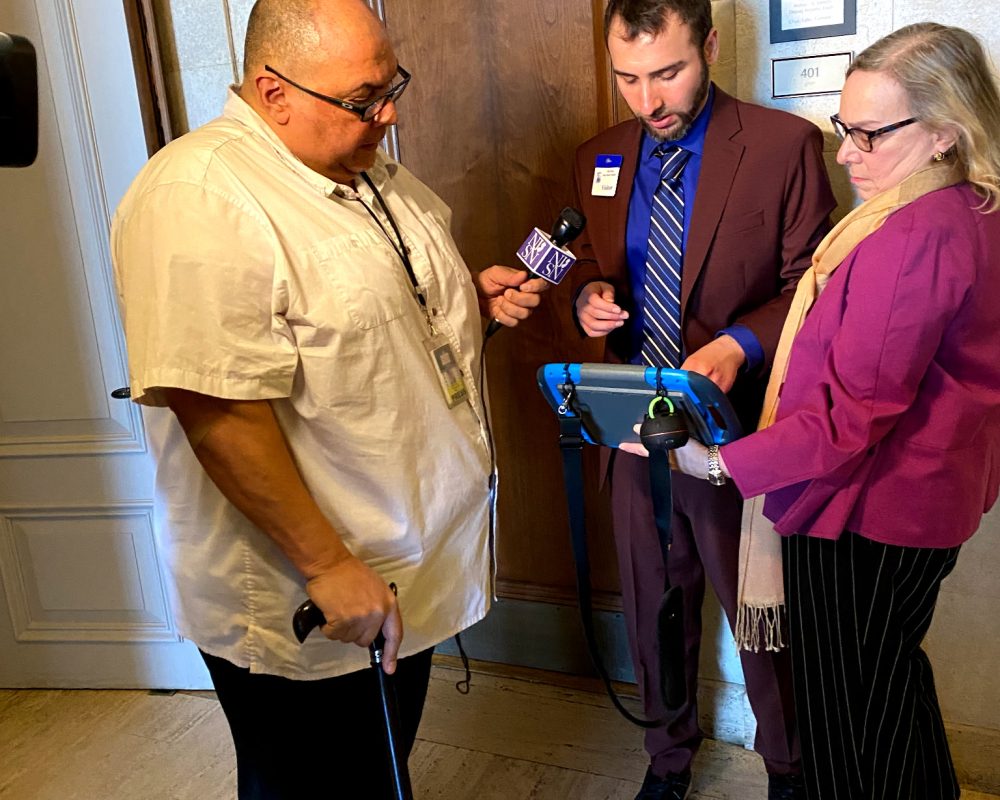
During the visit, self-advocates should be encouraged to share their stories, explain how legislation impacts their lives, and ask for specific support on the issues that matter to them.
“The biggest misconception is that people with IDD don’t participate in politics, they can’t speak for themselves, or make their own decisions,” says Erin. “That’s absolutely not true.”
Some legislators may wrongly assume that people with disabilities simply repeat what they’re told. But when advocates have the opportunity to prepare and speak on topics they care about, they can confidently express their thoughts.
“If someone is well-versed in public transportation, for example, they should be the one speaking to lawmakers on that issue,” says Erin.
Giving self-advocates the chance to lead the conversation ensures their voices are heard and that policies reflect their needs and experiences.
“If advocates speak about their own lived experiences, and their passion, it makes it more personal,” says Erin, “It also makes it easier for advocates to answer any follow up questions the legislator may have.”
For advocates, confidence comes from preparation, belief in what they’re saying, and knowing they have the right to speak up. This confidence can be especially important when advocates face pushback.
Erin recalls one meeting in particular where an advocate attended a virtual hearing about installing cameras in group homes.
“A lot of advocates felt that it was an invasion of privacy,” says Erin.
The advocate was prepared with talking points and testimony, but after answering a few questions, the assembly member moved on without letting her speak.
“I was about to step in,” Erin recalls. “But then the advocate spoke up for herself! ‘Excuse me, you asked me questions, but you didn’t let me read my testimony. I would like the chance to do that.’ And I thought — she’s got this. She doesn’t need anything.”
During the visit, take photos or video (with permission), and jot down notes about key conversations and outcomes. These small steps can create a powerful record of advocates’ efforts.
Photos and videos can also be trophies for advocates — a reminder that they did something hard and succeeded.
“Testifying in front of decision makers can be scary, so having a photo of your success goes a long way to build confidence in yourself,” says Erin. “You did this hard thing, so you can do other hard things! It is also something to be proud of — something you worked hard to accomplish!”
Then, share the experience with your community. Post these photos, videos, and notes on social media, or include a recap in your newsletter.
“Sharing social media photos or videos can also be used going forward to help new advocates step forward and speak up for themselves,” Erin adds. “I often use video clips and audio clips in our trainings to new advocates. It helps to get a visual so advocates can know exactly what to expect.”
Sharing these highlights not only raises awareness about key issues but also encourages more people to get involved in future advocacy efforts. The more you share, the more it inspires action.

Of course, the work doesn’t stop when the meeting adjourns. Following up is a crucial step in keeping the momentum going.
After the visit, take time to debrief with your staff and self-advocates — whether that’s venting after a particularly hard session or brainstorming future training topics that could help advocates be even more effective.
It’s also a good idea to follow up with lawmakers or their offices to thank them for their time, reinforce the key messages discussed, and provide any additional information if needed.
The more consistent you are with follow-ups, the stronger your relationship with lawmakers will become. Over time, you may find them reaching out for your input or guidance.
“It took a lot of time, a lot of networking and building relationships, but we have gotten to a place where lawmakers will contact us if they’re forming a committee or looking for advocates with disabilities to participate in a particular meeting,” says Erin.
This kind of progress doesn’t happen overnight, but with persistence, self-advocates can become trusted voices in policy conversations – helping to shape decisions that directly impact their lives.
By following these steps, you can plan a successful state house visit and empower advocates to make a real difference. Thank you to Erin from NJSAP for sharing her expertise and insights on organizing successful legislative meetings.
For more tools and support, check out these additional resources from The New Jersey Self-Advocacy Project:
This National Diabetes Awareness Month, discover simple ways to raise awareness, reduce barriers to care, and empower people with or at risk for diabetes.

This year’s World Usability Day theme is “Emerging Technologies and Human Experience.”

National Epilepsy Awareness Month aims to raise public awareness about epilepsy, a neurological disorder characterized by recurrent seizures.


